
Uncorking Creativity: The Unconventional Journey of Simon J. Woolf
From IT to award-winning wine writer


Simon J Woolf has transformed wine writing from a technical exercise into a rich narrative of culture, history, and human connection. From musician to IT consultant to award-winning wine writer, he's carved a unique path that ignores the old rules.
With books like Amber Revolution and Foot Trodden reshaping how we understand wine, Woolf has become more than just a writer. He's a storyteller who sees each bottle as a gateway to a deeper cultural exploration.
But how does someone transition from multiple careers to becoming a leading voice in wine writing? How do you turn a passion into a platform that challenges existing narratives? How do you keep writing when the world expects you to stay in a predefined lane?
Let’s find out.
From Multiple Careers to Wine Writing
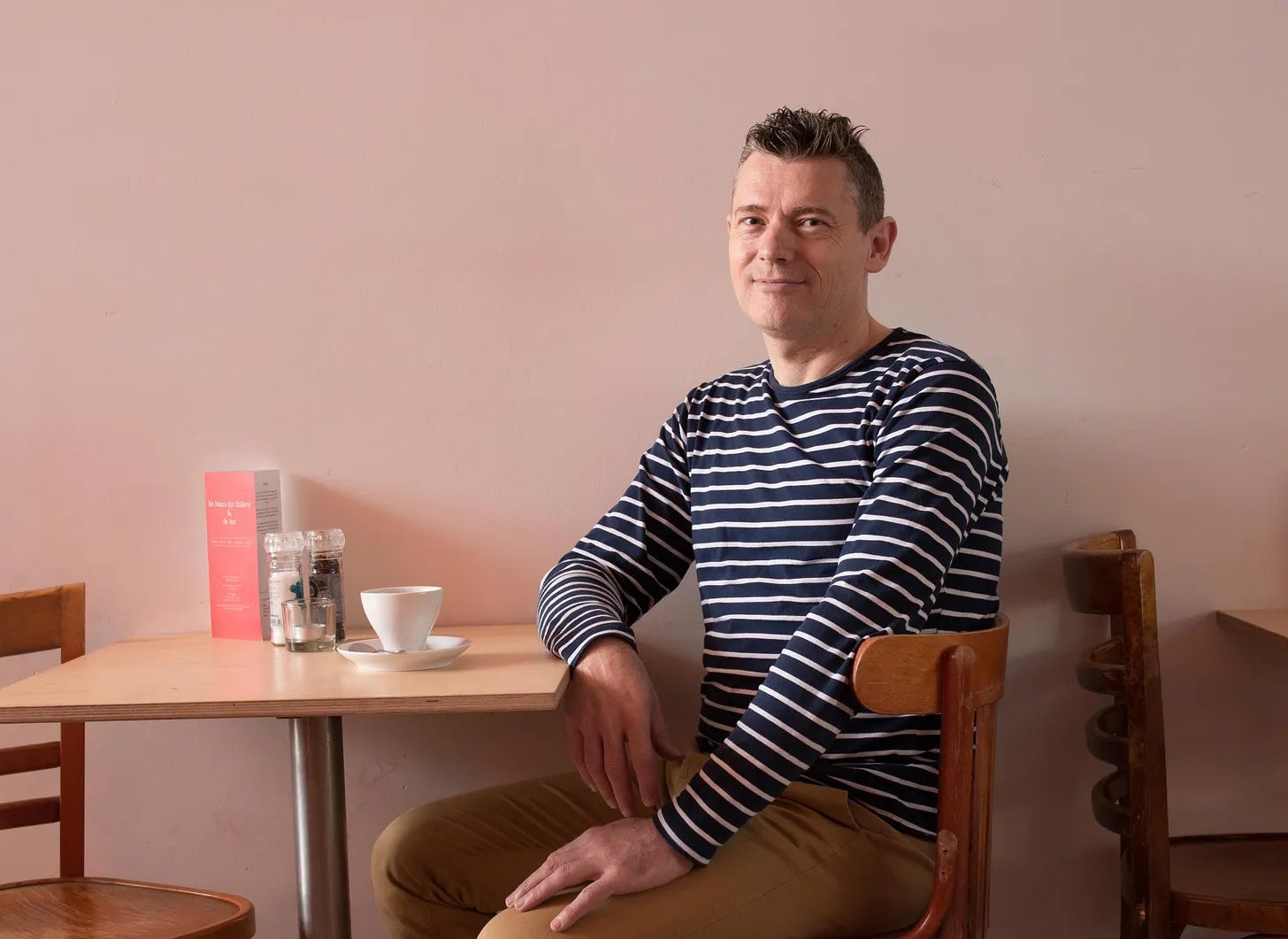
How did skills from your previous careers as a musician, sound engineer, and IT consultant unexpectedly prepare you for wine writing?
My IT skills have been a constant help as I cut my teeth with a wine blog (self-hosted) and self-published two books. It’s given me a degree of self-sufficiency that many just do not have. For me, writing is a creative process - even if it’s non-fiction or just an article - so in that sense it felt very comfortable coming from the world of music. I’m using the same mental muscles.
When did you realize your diverse background was an asset, not a liability?
Quite early on in my life as a wine writer, I could see that I have a slightly different perspective than many of my colleagues. I think that comes from having had so many different careers - and from continuing to have multiple passions and hobbies.
Was there a moment, or a specific bottle, that made you realize wine was more than just a drink, but something worth dedicating your life to?
There were several moments quite early on in life, including one when I was perhaps as young as 16. I was allowed a few sips of a Pouilly Fumé that my mum opened at Christmas Eve. Its delicious smokiness stayed in my memory - partly because she explained that was supposed to be a characteristic of the wine. The next Christmas, I asked if she would open another!
I also remember making friends with a young couple from Normandy, towards the end of the 1990s. I gradually realised that wine was a part of their cultural life in a profound sense that I had both never seen and was also slightly jealous of. David had special wines kept in a box under his bed that were waiting for the right occasion. He would bring a nice bottle to dinner and then be upset if it didn’t perform as he’d hoped - whilst simultaneously telling me he didn’t know anything about wine.
What mindset allowed you to transition between such different professional domains?
Restlessness, boredom, I don’t know! If I dive into something, it can take over. That’s what happened with wine, and with writing. I’m impetuous sometimes. I think life is for living, so why take the boring options? Follow your dreams!
Crafting a Unique Voice in Wine Writing
Wine writing is often technical, but you've made it deeply human. Did you always consider focusing on storytelling, or did that evolve over time?
I realised that 90% of everything written about wine is deadly dull and far too technical. I’m starting to understand why it’s like this: it’s partly that we expect winemakers to provide stories, and they often don’t. Just because someone is an exceptional grower or a talented cellar-master doesn’t mean they are a good orator. To me, the challenge and the skill of a good journalist or writer is to find the story and extract it from the subject. Even if they’re more comfortable talking about malolactic fermentation or what soils they have in the vineyard.
What do you think makes a creative business, or a creative voice, truly stand out in a crowded space?
Focusing on a tiny niche like I do can help. But having one’s own unique voice or style is more important. Tiny niches are limited in their reach, after all. Something else important is consistency and regularity. Keep doing what you’re doing.
Building The Morning Claret
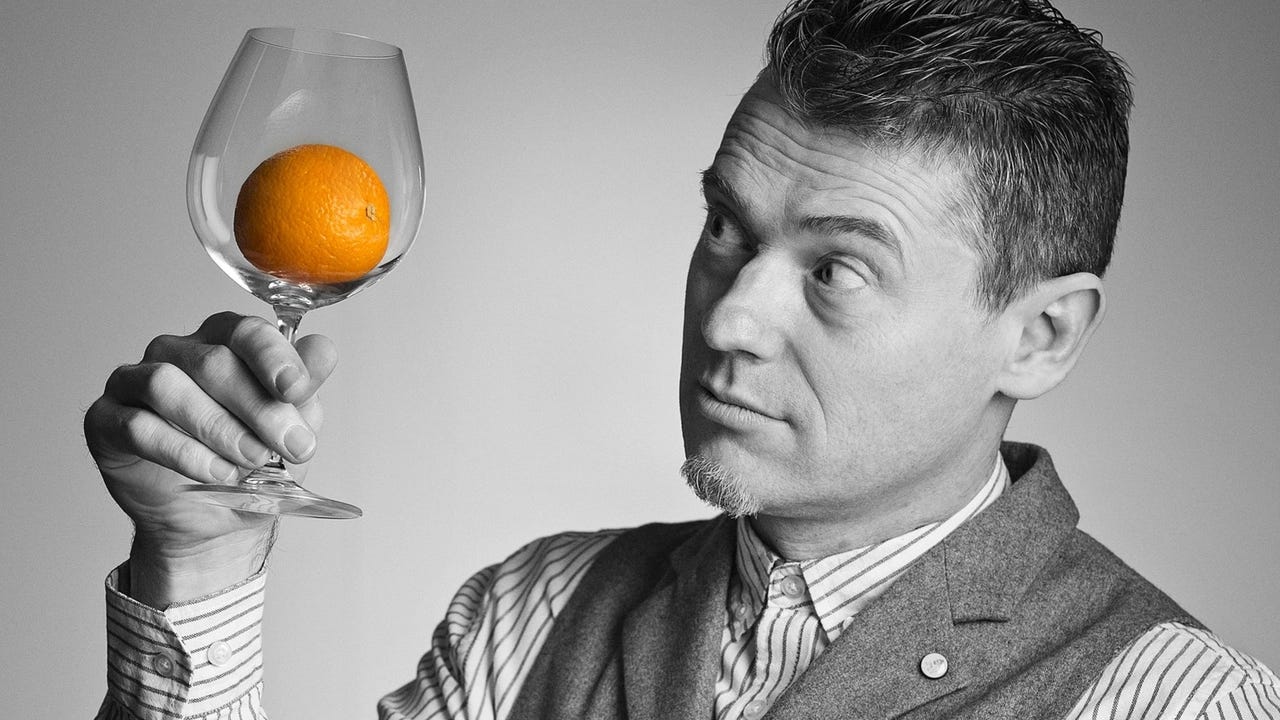
The Morning Claret has been around since 2011. What was your original vision for it, and how has it evolved?
It started life as an amateur blog, to stop me falling asleep at work because I was so bored. Then I decided to use my twitter account to publicise what I was writing, and that’s what helped it take off. Then when I started writing professionally for magazines etc, TMC became increasingly neglected. It wasn’t bringing me any direct revenue and I kind of lost heart with it.
But happily, moving it to Substack and a paid subscription model has radically changed that. Now it has become one of the primary focuses in my work life. I love the freedom of being able to publish weekly, to get the more topical articles out on a tight timescale, and that I can measure and (to a degree) control the amount of engagement. All things that I was missing for a lot of the more run-of-the-mill commissions I had in recent years.
At what point did you realize your writing had an audience beyond just personal passion? Can you describe the moment you came upon that realization?
It was quite early on, when I started using twitter to talk about wine. I discovered a wine bloggers conference and that opened up a whole community of people, many of whom were my early readers.
The Business of Storytelling
Turning creativity into a business is something many struggle with. How did you turn wine writing into a sustainable business?
It’s been a long, slow process. I used to work in IT, and only quit my job in 2016. I carried on freelancing in tech for a couple of years, but my books were the game changer. That got me more speaking and presenting gigs, which is where the real money is.
I still wouldn’t say that I’ll be getting rich any time soon, but I make a modest living and I have a great lifestyle with a lot of flexibility and fun.
What's something about the business side of wine writing that most people wouldn't expect?
That you basically can’t earn money from wine writing, so it all hinges on related activities such as judging in wine competitions, presenting masterclasses, speaking and - of course - publishing books.
Have there been moments where you had to choose between creative integrity and commercial success? How did you handle that?
Not really, but I’m pretty obstinate about that. I’ve never chosen the easy route. I value my integrity above all else. On the very few occasions when I decided to do something against my better judgment, I usually regretted it. So it was a lesson not to do so again!
How does your technical background help you navigate the business side of creative writing?
It’s been invaluable, because I can be very self-sufficient when I need to be.
The Mental Game of Creative Exploration
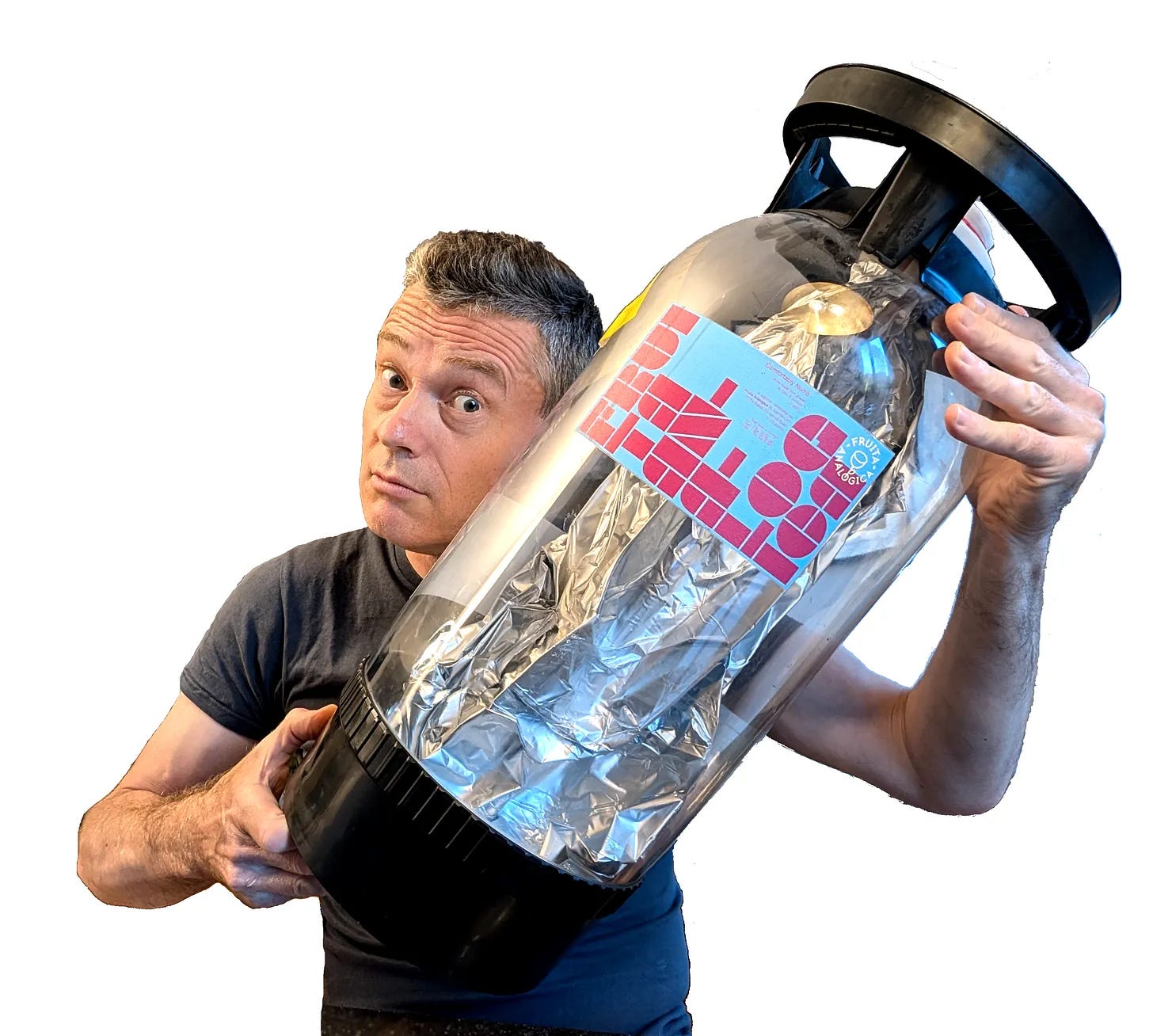
Have you ever struggled with imposter syndrome in this space? If so, what helps you push through?
I struggle with this on an almost-daily basis. I still feel like a bit of an outsider, but maybe that’s my choice. I came to the wine world fairly late in life, and I carved out a niche that is anything but mainstream.
What keeps you going when writing feels difficult or when the industry challenges your perspective?
Positive feedback from people who enjoy my writing or my books. It means so much to know that I’m creating content that people find valuable, interesting or entertaining.
How has your experience moving between different careers helped you stay resilient in your creative work?
I guess it has kept me agile, always learning, never getting too comfortable or complacent in my zone.
What's a misconception people have about being a writer that you wish more creatives understood?
A lot of people still have this romantic idea of someone sat at their desk, head in the clouds, clutching a quill pen or a pencil or whatever, waiting for inspiration to strike. And of course 90% of writing isn’t like that at all. To be honest, most of my thinking and conceiving of articles or books happens when I’m away from my laptop - even in bed. When I finally sit down to write, hours before the deadline, it’s usually a feverish process of banging out the words as fast as possible. And then, if there is the luxury of another day, I’ll edit the first draft after a night’s sleep. It’s always 200% better then!
Advice for Your Younger Self
Looking back, what's one piece of advice you'd give to yourself when you were just starting out?
Don’t be so focused on some idea of success or whatever that looks like. Focus instead on what brings true satisfaction and happiness. And ask yourself honestly what that really means.
What's one book, podcast, or tool that has had a profound impact on your journey?
That’s a tricky one. I feel that it’s more individuals, colleagues and friends that have had the biggest influence on my life. I’ve never really got too much out of self-help books. I’ve read a few of course, but they always end up feeling too general.
For creatives reading this who want to stand out, what's one action they can take today to start making their mark?
Be honest with yourself about what your USP (unique selling proposition) is. In what field are you the most talented or experienced? Where do you have the most to give?
For example, I had a phase where I looked at moving to YouTube and doing video. But I realised that words are where I excel. Trying to compete in other media is just a distraction for me.
Final Thoughts
Simon didn’t follow a straight line. His journey through music, IT, and eventually wine writing is a reminder that the most interesting paths aren’t always the most obvious ones. By following his curiosity and refusing to fit into a box, he’s built a career that blends storytelling, culture, and deep respect for the people behind the product.
If Simon’s journey made you think differently about your own creative path, let him know. And if there’s another voice turning their niche into something meaningful, drop a comment below.
Here’s a question for you: What story are you sitting on that deserves to be told in your own voice, your own way?
 | A guest post by
|