
Reclaiming Spirituality After Religious Trauma: A Conversation with Bre Hamilton
Healing from religious trauma and redefining spirituality.


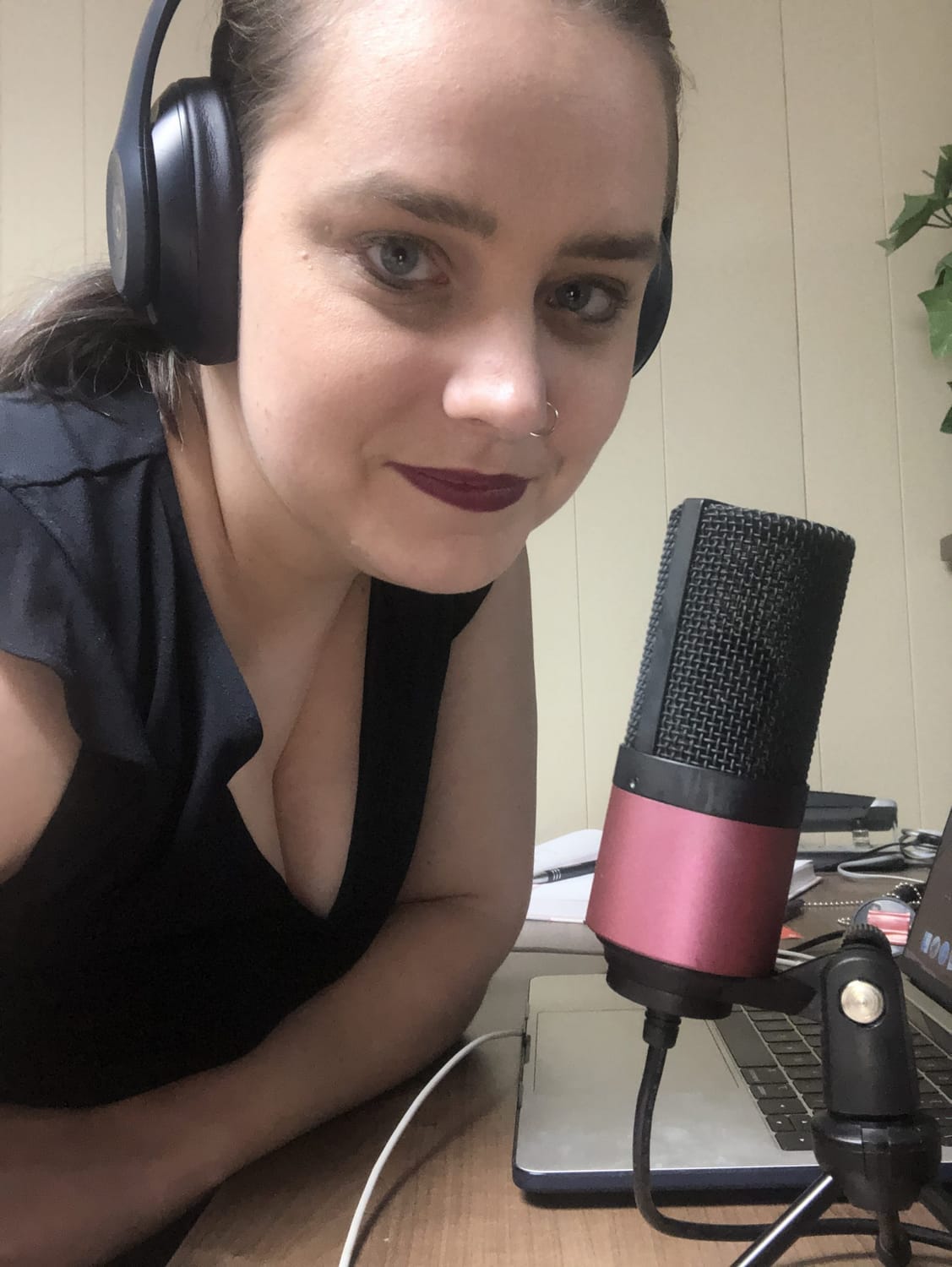
Some people leave a religious community and move on. Others like Bre Hamilton do so much more. She left her community, unraveled everything she once believed, and rebuilt from the ground up.
Her journey from growing up in a restrictive Christian cult to becoming a Religious Trauma Coach isn’t just about leaving. It’s about reclaiming personal power, spirituality, and community in an entirely new way.
In this conversation, Bre shares what it took to unlearn the conditioning of her past, how she helps others navigate religious trauma, and what it really means to heal.
Growing Up in Faith and Fear
Let’s start at the beginning. What was your childhood like within the Christian community?
I grew up in a high-control, fundamentalist Christian environment where every decision — from what I wore to who I could talk to — was filtered through rigid rules and spiritual fear. It wasn’t just church on Sundays; it was church as the whole structure of life. I was homeschooled, taught to distrust the outside world, and raised to believe that obedience equaled holiness. Questions weren’t welcome. Doubt was dangerous. Individuality was something to be corrected, not celebrated. It didn’t feel like love — it felt like pressure wrapped in righteousness.
When did you start questioning what you were taught? Was there a specific moment that made you think, Wait a second… this isn’t right?
Yes — it wasn’t a lightning bolt, but more like a series of moments where I started feeling the friction between what I was told and what I felt. The biggest one? Being pregnant with my oldest daughter and realizing the “love” my parents and church preached was deeply conditional. That was when my intuition screamed: this isn’t right. This isn’t safe. There is a bit of a story there, where they tried convincing me to give her up (by surprise attack) about a month before she was born, that was a huge moment of realization for me. However, I still kept going back and forth for years after that before I finally left when I was around 26 and had my third child.
How did religious trauma show up in your life before you had words for it?
It showed up in fear — of punishment, of being wrong, of not being enough. It showed up in people-pleasing, perfectionism, a complete disconnection from my own desires. I didn’t know I was experiencing trauma because everything felt so normal. But I lived with chronic anxiety, deep shame, and spiritual confusion for years. I also just always had this deep feeling that * I * was wrong…I wasn’t submissive enough or “right” enough like the other girls were (clearly, I was a black sheep but at the time it felt really awful not feeling like I could do anything right.
Breaking Free
The moment in Ontario with your oldest child was a turning point for you. Can you take us back to that moment? What shifted?
That moment was when I realized I had been surviving, not truly living. My oldest was 12 and experienced something traumatic — and I had been slowly slipping into mild depression, unable to show up the way I wanted to. That pain woke me up. It became the moment I stopped waiting for someone else to tell me how to be a good mom, a good person, a good anything — and started asking, “What do I believe? What do I need?”
It was the beginning of intentional deconstruction for me. Not just unraveling beliefs, but choosing to take back ownership of how I wanted to live and lead — not just for me, but for her and my other kids too.
When you first started deconstructing your beliefs, what was the hardest part? Was it emotional? Social? Something else?
All of it. The grief was massive — losing community, identity, certainty. But the hardest part was trusting myself. I had been conditioned to believe I couldn’t be trusted, so learning to listen to my own voice again felt like trying to speak a language I never learned. I will say though that a really tough piece for anyone deconstructing after having kids, is that not only are you reparenting yourself so you can give to yourself what you needed as a kid, but doing that WHILE parenting your own kids is tough shit. Seeing the results of that though? Worth every last second!
What role did therapy play in your healing? What did you have to unlearn to break generational cycles?
Therapy was pivotal. It gave me language for what I experienced. I had to unlearn the belief that my worth was tied to obedience. I had to unlearn shame, urgency, and the idea that suffering was holy. I also began reparenting myself while parenting my children — breaking cycles in real time. I often tell folks who want to work with me that it’s an important FIRST step before heading to coaching (or doing it alongside each other can also be really helpful as therapy and coaching focus on different things). Finding a therapist that specializes in religious trauma is important, but is extremely hard to find - which is why I’m currently working on becoming that myself!
From Survivor to Guide
What inspired you to become a Religious Trauma Coach? Was there a specific experience that made you think, This is the work I need to do?
Absolutely. After years of healing and helping others informally, I realized how few spaces actually felt safe for people like us. I wanted to create the space I wish I had — somewhere inclusive, non-performative, where healing wasn’t about being “good enough,” but about becoming whole. That’s when I knew this was sacred work. When I first learned about “pure coaching” and the International Coach Federation, it felt like the right next step for me, and in 2021 when I realized my business was shifting more to this - it felt like “well, duh, of course this is it”. Like everything I had experienced and gone through had led to that moment of clarity.
What does your coaching process look like? How do you create a safe space for healing?
I use my Awareness to Action Method™ — a five-part framework rooted in trauma-informed, ICF-based coaching practices. We explore awareness, acceptance, authenticity, ancestral healing, and aligned action. I focus on co-creating safety, never pushing, always guiding from a place of consent, curiosity, and deep care. The thing is, even if I wasn’t helping folx with this specifically, trauma is always bound to come up in coaching and it’s super important to know how to hold that safe space and know how to create safety for the person you are coaching even if it is something they maybe need to take to therapy, rather than just saying “oh this isn’t my job” and sending them off.
What’s the biggest misconception people have about religious trauma recovery?
That you have to throw away everything — or that healing means returning to the same beliefs with a new mindset. Neither is true. Healing looks different for everyone. You get to reclaim what’s yours, release what isn’t, and rewrite your relationship to spirituality, faith, and self on your terms. This includes the belief that if you’ve already had kids it’s “too late” and you’ve fucked up and can’t heal properly. It is NEVER too late (and this goes back to holding onto black and white thinking from religious cult days).
The Power of Community
You created the Awareness to Action Community to support others in this journey. Why was building this space so important to you?
Because so many of us leave church and end up in isolation. We’re grieving, questioning, navigating triggers — and it’s all so much harder when you’re doing it alone. This space offers coaching, connection, and actual community — where you can show up in sweatpants, spiritually curious, and 100% yourself. The main thing I want people to think of with this membership - we aren’t replicating the community you left. This is YOUR community, and gets to look how YOU want it to, and hopefully encourages you to make those in-person connections you’ve been too afraid to because of your past experiences too. Having the professional and peer support while you’re doing that is what makes this space different than just a FB support group.
What happens when someone finally steps into a space where they’re allowed to question and heal?
It’s like watching someone exhale for the first time in years. There’s a softening, a return to self. They go from spiraling to grounded. From unsure to intuitive. From people-pleasing to powerful. It’s not linear, but it is transformational.
For someone just starting their deconstruction process, what’s the first thing you’d tell them?
You’re not wrong for questioning. You’re brave. Start small. Follow your curiosity. Find others who honour your voice. You don’t need to have it all figured out — you just need to start where you are.
Redefining Spirituality
After everything you’ve been through, what does spirituality mean to you now?
Spirituality now feels like embodiment, nature, intuition, and alignment. It’s not about dogma and rules anymore, it’s about connection. To myself, to others, to something greater that isn’t defined by fear or control. Ultimately, for me now, spirituality is about what feels GOOD to me - what makes me feel grounded, inspired, alive, held, safe, supported? I follow that.
Do you still engage with faith in any way, or has your connection to spirituality completely transformed?
It’s completely changed and shifted. I no longer subscribe to Christianity, and you probably won’t catch me in a church unless it’s for a Halloween trunk or treat (lol there’s a story there) but I remain deeply spiritual. I find divinity in the earth, in the breath, in the inner wisdom that I used to be cut off from. It’s sacred — and it’s MINE.
Healing and Parenthood
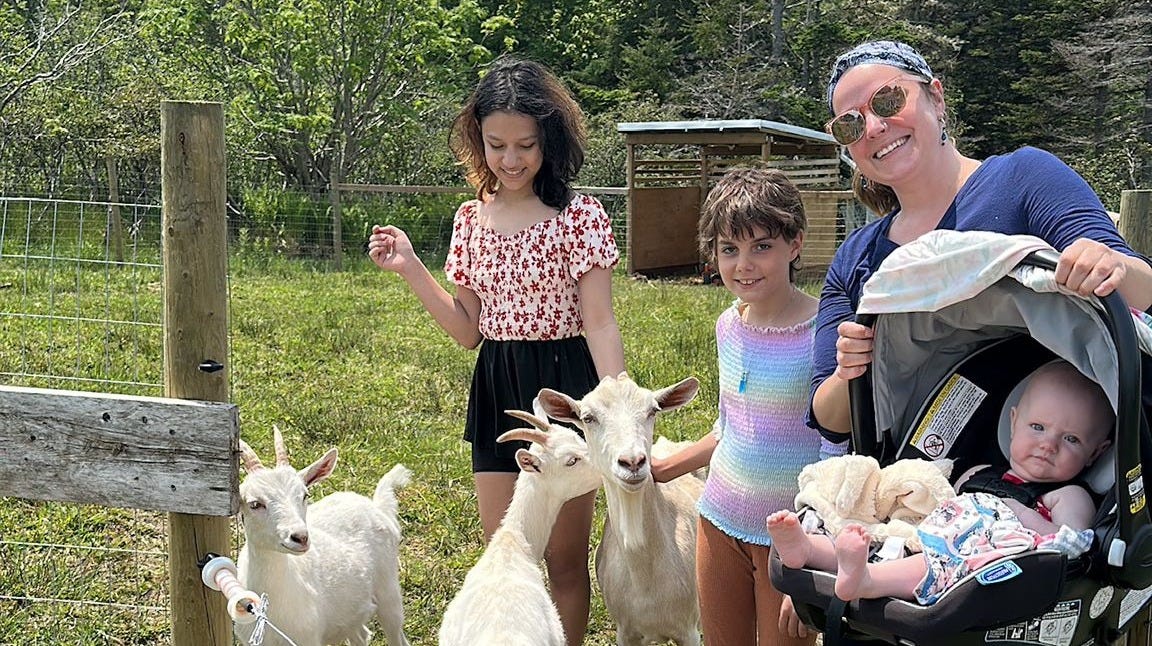
How has healing from religious trauma changed the way you parent?
It’s changed everything. I lead with consent, curiosity, and connection. I don’t punish the way I was raised at all. I let my kids ask questions and express emotion. They’re allowed to be who they are, not who I need them to be to feel safe. That’s cycle-breaking in action.
What’s one thing you’re doing differently with your kids that you wish had been done for you?
Listening. Validating. Letting them say no. I want my children to know that their voice matters — even when it’s hard for me to hear.
Looking Ahead
What’s your vision for your work? How do you want to expand your impact on people navigating religious trauma?
I want to continue growing the Awareness to Action Method Membership and community, publish a book (or two!), speak on bigger platforms, I’d even love to eventually do some fun events for the alumni of my group coaching program - maybe in Mexico. I am looking forward to continuing to grow the YouTube/podcast community too around my true crime fundie stories.
Where do you see the Awareness to Action Community going in the future?
I see it becoming a thriving, nourishing hub for deconstruction and healing — with live events, guest speakers, expanded coaching options, and maybe even retreats. It’s a village, and we’re just getting started.
Final Thoughts
Bre’s story isn’t just about leaving—it’s about reclaiming. Reclaiming spirituality, reclaiming identity, and reclaiming the right to think for yourself. Her work is proof that healing is possible, that questioning doesn’t have to mean losing, and that we can find something deeper than we thought possible.
If Bre’s story resonated with you, let her know. If you're on your own healing journey, drop a comment. And if you know someone else doing powerful work in this space, I’d love to hear about them.
 | A guest post by
|