
Hate Book Marketing? Katie Sadler Helps Authors Get Seen Without the Stress
Marketing without melting


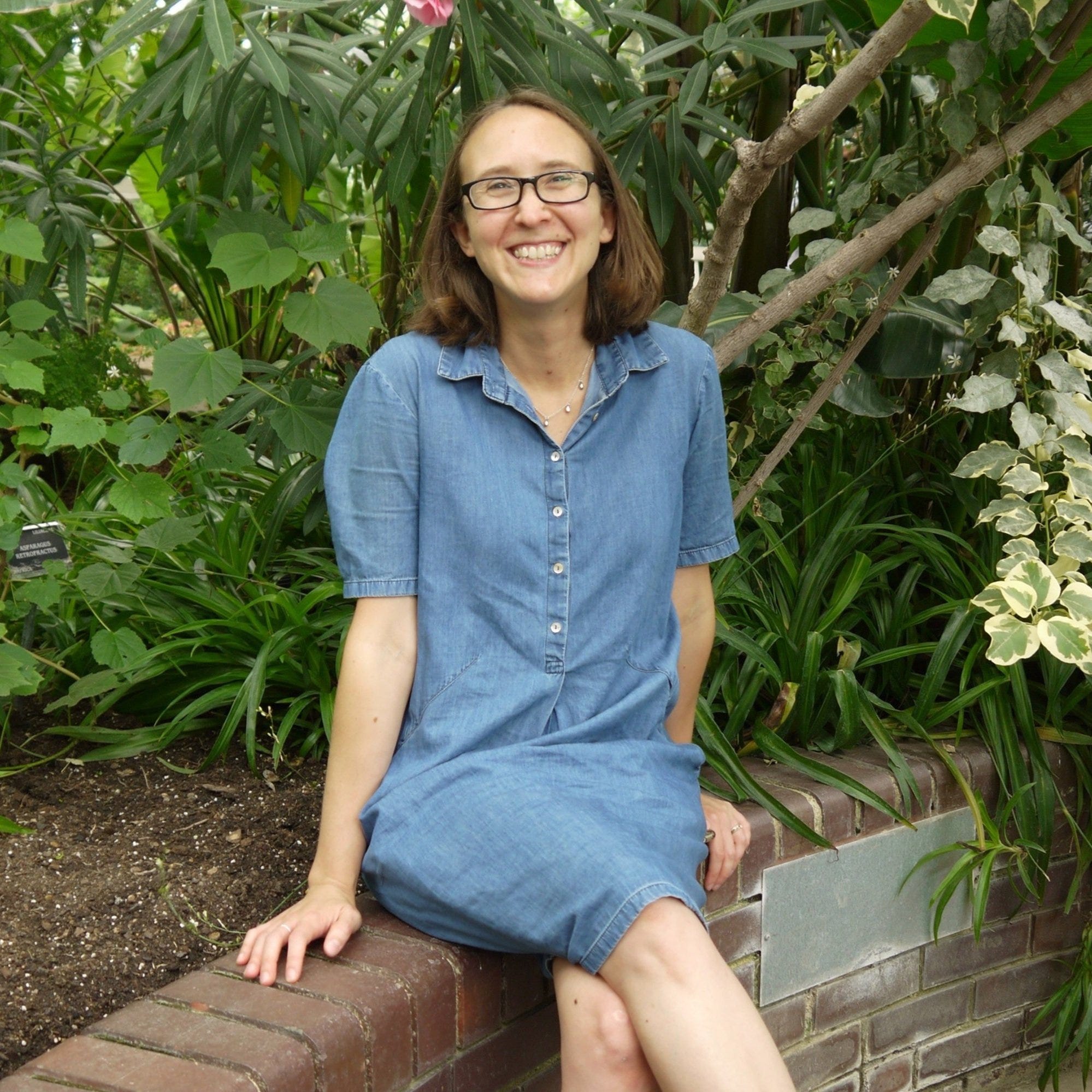
Ever since she was a child, Katie Sadler knew she wanted to work with authors and books. Growing up between Trinidad, Mexico City, and New York, she found solace in stories—both as a way to connect with new cultures and as a constant in an ever-changing world.
That love for storytelling led her to a career in publishing, where she spent eleven years working with some of the biggest UK publishers. But as the industry evolved, she saw how much authors were struggling with the new demands of social media and self-promotion. Traditional marketing tactics often felt overwhelming or unsustainable, leaving many writers unsure of how to reach their audience without burning out.
Determined to bridge that gap, Katie left the in-house publishing world to work directly with writers. She is now helping them navigate book marketing in a way that feels authentic and aligned with their creative spirit.
Roots of a Global Storyteller
Let's start at the beginning. How did moving between Trinidad, Mexico City, and New York as a child shape your understanding of storytelling and connection?
I’m not sure if it shaped my understanding of storytelling, but it definitely shaped my understanding of connection. When I moved from Trinidad, I was extremely keen to retain my old friendships, and couldn’t quite imagine life without my best friends that I had grown up with. I created a magazine (the Gossip Girls’ Gazette!), which I made on my mother’s Apple computer.
This was in 1990, so this was probably on the original Macintosh! To put the magazine together, I got friends to send (via physical post) jokes and cartoons, and I would type in the jokes, print it out, manually stick in the cartoons, photocopy it and then physically post it back to them. It was such a fun project and helped us retain that connection for years (in fact, I’m still in touch with all of the friends that took part in this project with me!).
Looking back on it now, there are three things that I did then which were huge for my connections at the time, and which I think are so valuable for authors now:
Connecting around creativity - SO much more fun to have a group project than to write letters back and forth
Making it really fun - this was such a fun way for me to keep in touch with people, and to learn how to use my mum’s computer
Having a project like this helped us be fairly consistent in our communications, meaning there weren’t years between letters.
Can you describe how books became your lifeline during those transitions, especially when you were struggling to fit in as the "new kid"?
Books were SO important to me in that time. A) as a comfort blanket, where I knew I would automatically fit in, and B) as a way to bond with other people. Swapping The Babysitters Club and RL Stine books was the foundation of many a friendship back then.
The Unexpected Publishing Journey
What drew you from those global childhood experiences to a career in publishing?
I just loved books and always have, and to work with them every day felt like a dream. I used to write a lot of short stories as a child, so my original plan was to be a globally bestselling author, but sadly I’m not actually a very good fiction writer, so that had to be shelved! I was told that because I didn’t go to an Oxbridge University, that I would never become an editor (something I know now is absolutely not true), so I pursued my other interest, which was advertising and digital media. That eventually allowed me to side step into publishing.
How did your early experiences of feeling like an outsider inform your approach to helping authors market their work?
I am a huge introvert, and I think most authors are, too. But I’ve also had to put myself out there into new situations a lot over the years, because there wasn’t really much alternative. So I hope that with the plans I build for them, I challenge their comfort zones a little bit, but I also try to really work with them so that they are using their existing skills as much as possible, and not doing any marketing tactics that feel gross to them.
From In-House to Entrepreneurial Freedom
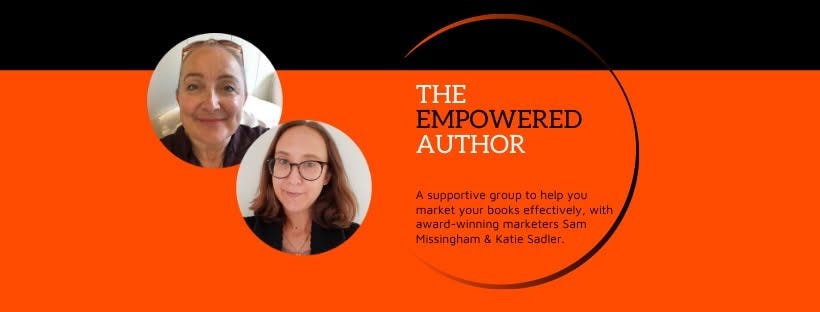
You worked with major publishers like HarperCollins and Quercus before going freelance. What prompted that transition?
I had been putting ‘go freelance’ on my goals list for YEARS before I finally made the call to do it. The reality is that I was very much forced into actually making the jump. My (now ex-) husband lost his job, meaning we had two kids, a hefty mortgage and one (publishing) income. So, with my manager’s approval, I started doing some work with authors on the side of my day job, and I realised that I actually really loved doing it, and could make the finances work.
How did you discover that authors needed a different kind of marketing support?
There are a lot of challenges facing the publishing industry right now, and one of the challenges that affects authors is that a company will buy 100+ books a year, but there are marketing teams of about 5-10 people working across all of them. That is not feasible, and is part of the reason authors are starting to have to take marketing into their own hands.
And on the other side of things, the self-publishing industry is growing every year and indie authors are getting better and better, and need support learning how to to market their books.
There are lots of authors doing a brilliant job at marketing, but most people I work with are not natural marketers, and there are 5000 different articles on the internet giving different advice. Hopefully I can help give them a clearer roadmap for what might work for them and their specific circumstances.
Reimagining Book Marketing
Most authors see marketing as a necessary evil. How do you help them reframe that perspective?
By working with their strengths and finding more fun ways to reach readers.
What are the biggest fears authors express about marketing their books?
That they sound like they’re showing off, that they’re talking about their books too much, that they’ll turn people off, that they’re talking into a vacuum…
Can you share a moment when you realized an author had truly transformed their mindset around marketing?
Yes! I worked on a social media plan for an author recently and when she got it she talked about how I’d completely turned her approach around - that she could talk about the book without just sharing sales messages all the time, and that she was excited to put it into practice. That makes me SO happy!
The Personal Brand Pivot
You've shared that you go by Katie Morwenna because there are too many Katie Johnsons when you Google your name. Can you tell us more about that decision and how it impacted your professional identity?
Ugh, this is constantly on my mind at the minute. I did this years ago before I got married, before I went freelance, then kept that name for my freelance life, but actually I much prefer being called Katie Sadler, and really want to change it back, but everything about my online identity is Katie Morwenna now, and the task of changing it feels overwhelming. So. Watch this space.
How has your own journey of finding your voice influenced how you support authors?
The biggest changing point for me, in growing my platform, was when I got super clear about what I’m actually talking about online - who I’m trying to talk to, and I what I want to talk to them about - so that really impacts how I help others, because that’s something I want all of my clients to be very clear on.
Marketing Strategies for the Overwhelmed
What does a truly sustainable marketing plan look like for an author?
It changes depending on the author, but consistency is SO important in marketing - there’s no point in building a giant plan and then burning out after 3 weeks - it has to really take an author’s time into account.
How do you help writers create marketing approaches that feel authentic and manageable?
By pulling out the things they enjoy spending time on, and helping them improve what they’re doing so that it works better for them, as well as suggesting other tactics that they might not be doing, which would fit with their approach.
If an author only had 15 minutes a day for marketing, what’s the best way they could spend that time?
Building relationships and growing a newsletter.
Are there any unconventional or ‘rule-breaking’ marketing approaches you’ve seen work really well for authors?"
Yes - a former client (who I loved working with, but who was already a brilliant marketer, I can’t take much credit here) loves making hook videos for her romance books. She posts these 4-5 times a day on Instagram, and they are very repetitive but they are doing absolutely brilliantly in terms of reaching new readers, and she sells a lot of books off the back of them. She is totally ignoring the voice saying ‘people don’t want to hear about my book that much’ and she is smashing it.
Advice for Your Younger Self
Based on your journey from working with major publishers to becoming a freelance marketing guide for authors, what advice would you give to your younger self just starting in publishing?
The advice I’d still give myself now - you know more than you think you do, have a bit more confidence.
What's one book, podcast, or tool that has had a profound impact on your journey?
We’re both members of Wandering Aimfully, and that membership has been a HUGE inspiration for me, both in terms of how I run my business, and in terms of how I help my clients.
For authors and other creatives who want to stand out, what's one action they can take today to start making their mark?
BE YOURSELF.
Looking Ahead
What's your vision for supporting authors in the next few years? How do you see the landscape of book marketing evolving?
I think we are going to see a lot of AI generated marketing plans. This isn’t necessarily a BAD thing, in the sense that I think AI gives perfectly fine marketing suggestions. But they don’t tend to be very creative or unique, so I think that people who are doing things differently, and showing up as fully human online will really stand out.
I also think there’s a lot at the minute about moving away from Amazon, for self-published authors. Where authors have strong platforms and dedicated readers, I think there will be more people moving to selling books directly, which will be an interesting shift to watch.
Final Thoughts
Katie Sadler demonstrates that there's no single "right" way to market a book. By rejecting high-pressure marketing tactics and embracing authors' individual stories, she's created an approach that empowers writers to promote their work without losing their mind or creative spirit.
If her story resonated with you, let her know. And if there's another author thriving with marketing, or a publishing professional reimagining how writers connect with readers, drop a comment below. I'm always on the lookout for voices that challenge traditional book promotion narratives.
What's one marketing fear you're ready to let go of? Let us know!
If you enjoyed this conversation, share it with a fellow author or subscribe for more interviews with people making their mark in the most unexpected ways.
 | A guest post by
|
Thanks for having me, Kevin!