
From Thrillers to Thriving Online – Writing, Marketing, and Building a Community with Zoe Lea
Tips on building an author business


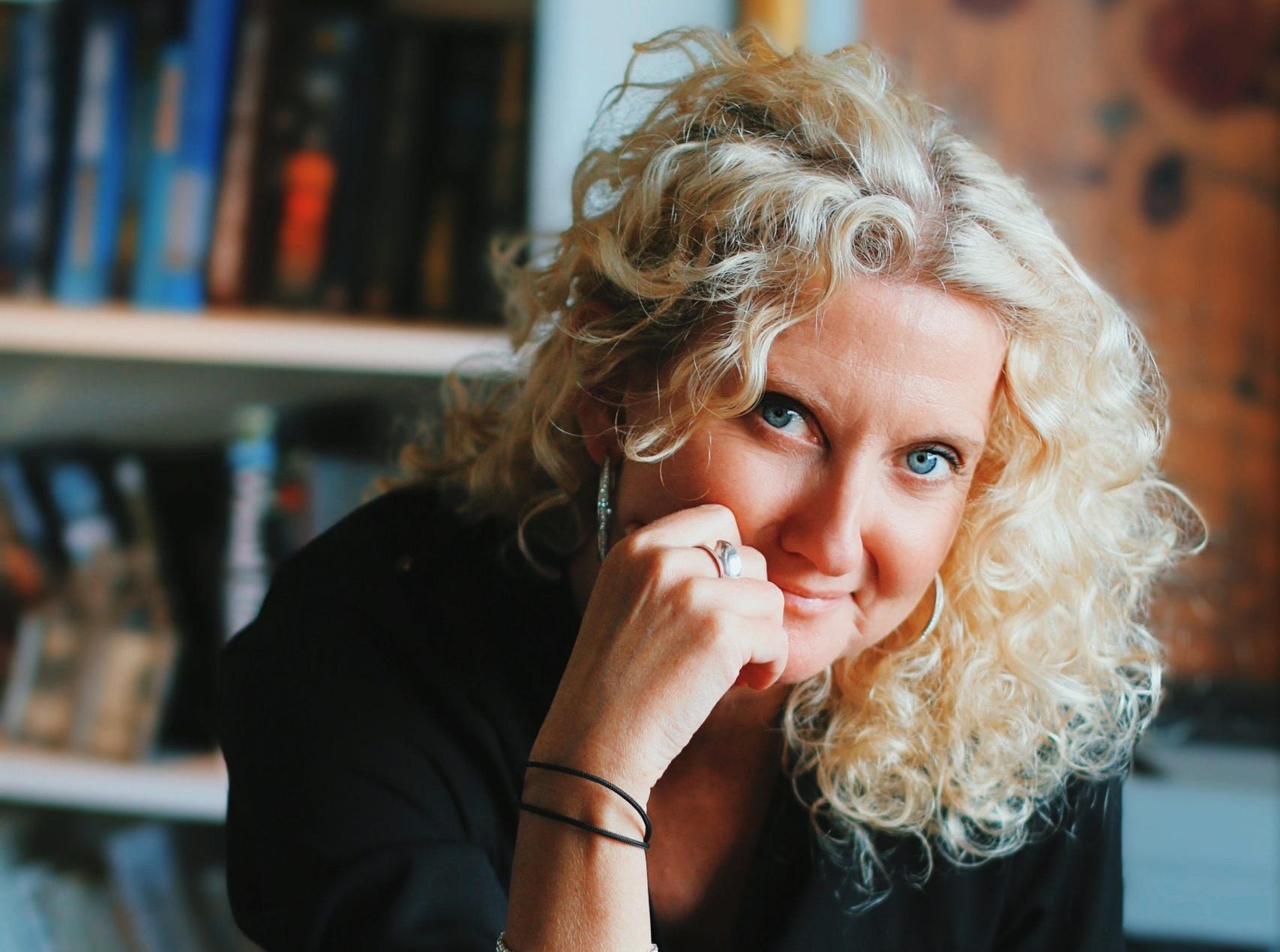
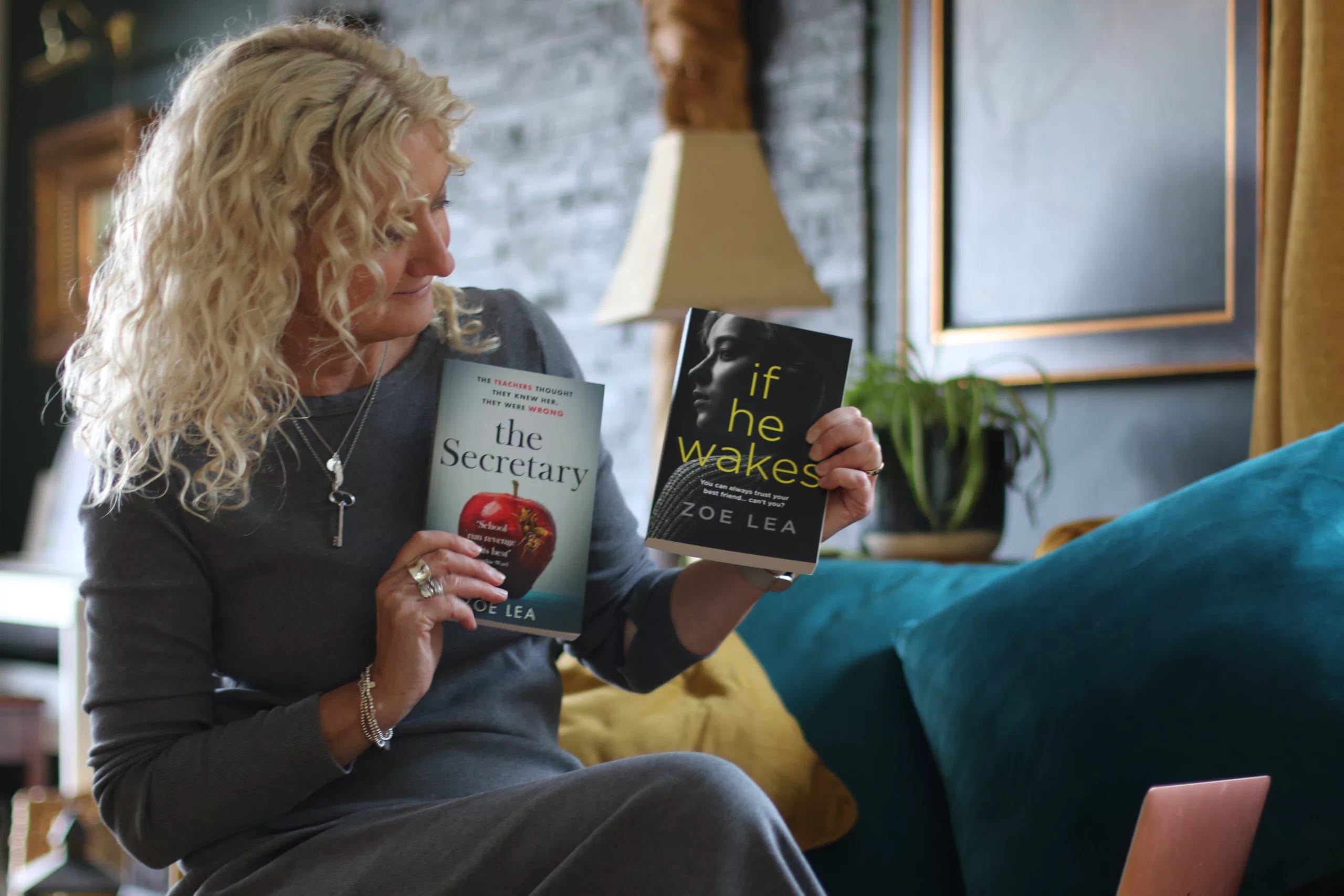
Zoe Lea has built a career at the intersection of storytelling and strategy. As the author of psychological thrillers If He Wakes, The Secretary, and the upcoming Closer Than She Thinks, she knows how to craft suspenseful narratives that keep readers hooked. In addition to her books, she also helps writers and creatives navigate the overwhelming world of social media and marketing.
Zoe has not only found her author voice but she is also showing other authors how to amplify theirs. She’s created a space where storytelling meets strategy, a place where authors don’t have to feel alone in the process.
The Journey to Becoming an Author
When did you first know you wanted to be a writer?
I was about 16 when I knew I wanted to be a writer.
At the time, I was an avid reader of a magazine that featured short stories, and one week, they had a call out, asking for reader submissions, and that was it. I wrote my first short story and, unbelievably, it was accepted for publication by the magazine. I went on to continue to write short stories for them until they folded a few years later.
What made you want to write psychological thrillers?
I just love reading them! It took me a while to figure out that I should also write what I love to read, but when I did, that was it!
What was the biggest surprise, good or bad, about becoming a published author?
The good was holding the published book in my hands. Seeing my words printed and bound in a proper book, for people to buy, strangers to buy! And that’s still magic today. I don’t think that will ever get old.
The bad was the thrill of being published and then realising that I had to do it all again if I wanted to make a career out of this. Start from scratch, write another book, begin again, and that despite celebrating a win, in this industry, there always seems to be another goal to hit on the horizon - a new book, a better deal, more sales…the list goes on!
If you could go back to before your first book deal, what would you tell yourself?
That’s a tricky one. I think I would urge myself to start an email list as soon as possible!
Navigating the Business of Being an Author
You’ve talked about the reality of book publishing not being what you expected—what was the biggest adjustment you had to make?
Realising that I had to get involved in the marketing of the books. I naively thought that because I had a PR and Marketing department behind my book, (I’m traditionally published) that I could sit back, do nothing at all, and leave it to them. And although they do a brilliant job, I quickly learned that there is a lot to do as the author and that you need to become a personal brand if you want to build a community of readers and be visible.
At what point did you realize that writing a book wasn’t enough—you also had to market it?
I remember with my first book, it had just been on a blog tour, I’d had a few interviews and I said to my publisher, ‘what’s next?’ and they kind of said, ‘that’s it!’
That’s when it dawned on me that one week of marketing around the publication date wasn’t going to be enough, I needed to shout about it myself if I wanted anyone to read it.
How did you go from figuring out your own marketing to helping other writers do the same?
I jumped on TikTok around the time of Covid and quickly realised that it was selling books. I’m a social media strategist and all round geek - I’m one of those who loves figuring out what works on these platforms and what doesn’t. Other authors started to message me for help and I’m a very strong believer in collaboration over competition, so whatever I learned was working, I shared.
What’s one thing you see authors struggling with the most when it comes to social media?
Social media is such a tricky thing for authors, as writing is such an introverted, private thing, often done alone. Then we’re brave enouThe Art of Standing Out Onlinegh to share our work, and then we learn we have to not only share it, but shout about it.
I haven’t met one writer yet who was comfortable doing that.
I see really obvious things like accounts being set to ‘private,’ to bio’s not having any direction for readers or followers, to authors who have no idea what to post, or any strategy.
The Art of Standing Out Online
Writers often resist social media. What’s your advice for someone who hates the idea of marketing?
Find what works for you. If you hate social media, don’t do it. There are plenty of ways to market your book. You should take a 360 approach, looking at in person events, festivals, national publications etc and social media doesn't have to be the kingpin.
Having said that, social media is probably the easiest and most effective way to reach your readers. Billions of people are on social media right now, so if any author reading this is thinking their readers aren’t on there, think again.
The other thing I would suggest is changing your mindset. Don’t think of social media as ‘selling your book,’ reframe it as ‘helping your readers find you.’ Blatant sales posts rarely work on social media, so the post of your book’s jacket with the caption ‘get your copy now!’ will hardly ever work. Instead, view social media as a way to connect. To build up a community of fellow bookworms, to be… social.
You created a free Instagram Cheat Sheet. What’s one tip from that guide that instantly helps writers improve their presence?
The Cheat Sheet came from a lot of conversations from authors who didn’t feel confident in using the app, and needed a quick go to for how to do things, so it has it all in there.
But the quick win you can do right now is optimising your name field.
Put your name (or pen name) followed by your genre. This will enhance your chances of showing up more and tell followers immediately who you are and what you write. Meaning that you get more of your ideal reader and more of the people who will be interested in what you write.
What makes a great author bio that actually attracts readers?
There’s so many moving parts to an author bio, but I always find the who, what, why questions work best. Who are you? What do you do? Why should I follow you?
Your bio is telling people what to expect if they follow you. Your content is then delivering on that promise.
Mine reads ‘follow for cosy bookish vibes with a hint of murder…’ so any readers who love, for example, only westerns or sci-fi, know my account is probably not for them.
The point of your bio is to attract your ideal reader, not just any random follower. It’s much better to have 100 invested followers who will pre-order your book than 10000 followers who aren’t that interested.
You then want a clear profile picture, preferably of you, so people know you’re a real person and not an AI bot, and a call to action. Which means what you’d like people to do after reading your bio. It could be to follow you, sign up to your newsletter, leave a comment, find out about your book, etc
And don’t forget contact information! Remember, these social platforms aren’t just for readers, journalists will often get in touch with me as well as other authors and brands for collaborations, so make sure you have that all filled out and a link to your website or newsletter sign up!
With so many changes to Instagram, what’s working right now for authors trying to grow their audience? And how do you adapt when things are constantly changing?
I always come back to - do what you enjoy.
Consistency is key in social media, regardless of updated algorithms or keeping up with changes.
So if your followers know that you post every Tuesday and Thursday, they’ll start to visit your account around those days expecting to see posts. And if you hate creating a certain type of content, you won’t post consistently and then people won’t become invested because they can’t rely on your posts.
So do what you enjoy. If you only want to post photographs, do that. If you love short form video, do that. Trying to please the algorithm is an exhausting way to spend your time, try to enjoy posting content and then get back to writing.
Building a Community, Not Just a Following
Your newsletter, The Writer’s Guide To…, isn’t just about social media. It’s about building a real community. Why was that important to you?
Because too many people think they need a large amount of followers to be successful on social media, and that’s not it at all. You could, at any time, randomly go viral and get thousands of followers who become nothing more than just numbers. It’s happened to me and I see it happen to a lot of people who suddenly get a burst of followers who aren’t invested, aren’t an ideal reader, and it can be damaging to your account. It drops engagement, stops real connection and stops your ideal reader from seeing your stuff.
You want followers, but the right type of followers.
The people who are into the things you are, who you can connect with, who will love to read what you write, who will tell their book club about your book, ask for your book at the local library, comment and send you DMs about your work. You don’t want followers, you want a community.
What’s one lesson you’ve learned about creating an engaged audience versus just gaining followers?
Numbers really mean nothing. A large follower count that doesn't engage is worthless, and we’ve all seen those accounts. Hundreds upon thousands of followers, but such an empty, hollow account. I regularly go through my account to get rid of dormant followers so that I can be seen by the people who really want to see me!
How does your private chat group for members help writers connect in ways social media can’t?
The private chat part of my Substack is still very much in its infancy! I find that most people still message me or want to chat privately, so I’m trying to build up the private chat into a kind of trusted writing group. But I think it’s going to take some time!
Advice for Writers Who Want More Visibility
Looking back, what’s one piece of advice you’d give to yourself when you were just starting out as an author?
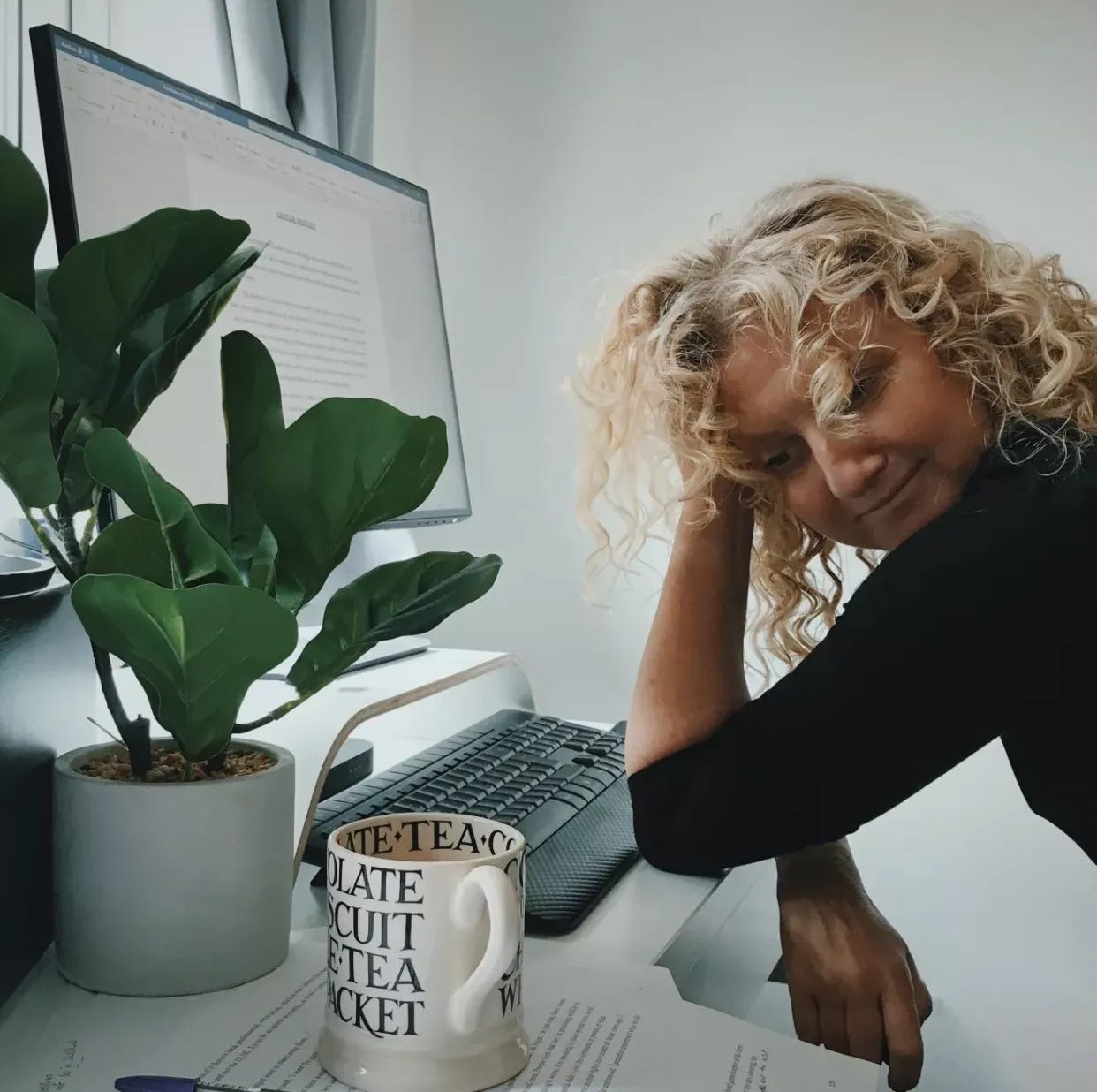
Start a newsletter, depending on platforms that aren’t yours, like Instagram and TikTok is not enough, they could be shut down at any time. You need to own your following, so start a newsletter or Substack where you can have that.
If a writer only has 30 minutes a week for marketing, where should they focus their time?
Pick one platform, don’t try to be everywhere all the time. Pick your favourite place to hang out and stay there. If you can, try and do a monthly strategy. So if you only want to post once a week, look ahead that month at what you’re working on and what your marketing goals are.
Have you got a cover reveal? Are you editing? Writing the first draft?
Tie that in with your marketing goals, which could be…
More ideal followers? More sign-ups to your newsletter? Or just more engagement on your content?
Once you're clear on both, creating content becomes much easier. So spend your half hour working on both of those, and getting into a consistent routine for posting.
What’s one social media myth that you wish writers would stop believing?
Follower count matters. A big following is not a sign of a successful account!
What’s your take on personal branding for authors? How much should writers share beyond their books?
This is totally up to the individual, share as much or as little as feels comfortable. You can still be a personal brand with strong boundaries around your personal life.
For someone just starting their journey, what’s one small action they can take today to start building their audience?
Did I say start an email list? Hahaha. The other thing I would stress is that most authors or writers feel they have to keep everything a secret until they have a finished book or a publishing deal and THIS IS NOT THE CASE AT ALL! The sooner you start telling people you’re writing a book, the sooner they follow your journey, the sooner they’re desperate to read the book and the sooner they become part of your community. Think about it, when you finish your book, do you want a group of people eager to read it, all pre-ordering and chattering about it, or to start building up that audience from scratch? Start now. People love to follow along for the ride.
Final Thoughts
Zoe Lea shows that being an author today isn’t just about writing books. It’s about building connections, sharing your story, and finding creative ways to reach your audience. By blending her experience as a thriller writer with her marketing know-how, she’s helping fellow authors step into the spotlight without losing their sanity.
If her insights resonated with you, let her know. And if there’s another author, writer, or creative entrepreneur you’d love to hear from, drop a comment below. I’m always on the lookout for stories that challenge the usual “just write a great book” advice.
If you enjoyed this conversation, share it with a fellow writer or subscribe for more interviews with people making their mark in unexpected ways.
 | A guest post by
|
This is so helpful!