
From Broadway Tour Bus Journals to Picture Books: Steena Hernandez on Finding Her Voice
Telling your story through courage and persistence.


Standout Authors Unbound amplifies the voices of underrepresented writers and indie authors to disrupt an industry that rewards conformity over authenticity.
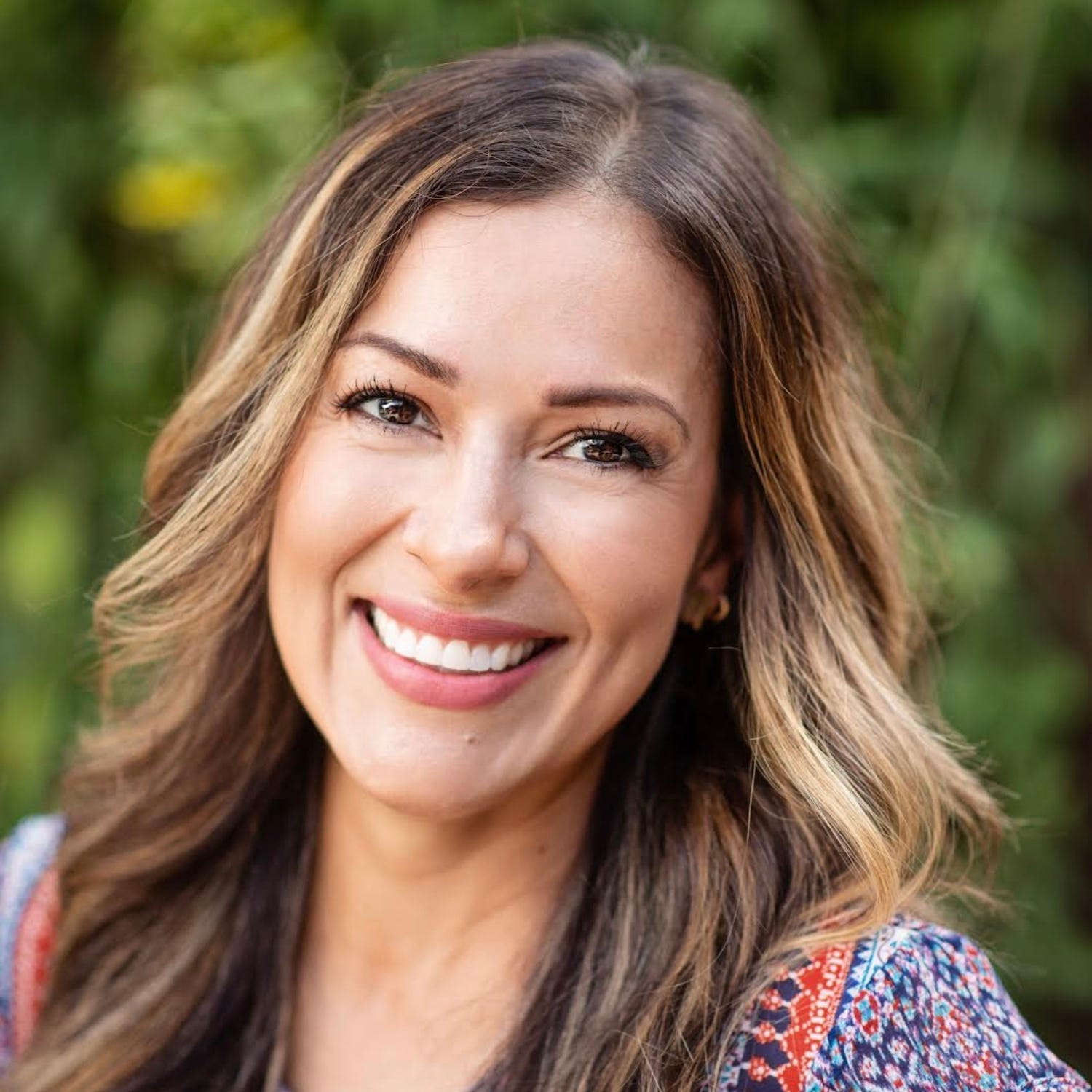
Steena Hernandez spent years on stage singing, dancing, journaling on tour with the Trans-Siberian Orchestra and RENT before she ever called herself a children’s book author. She taught Theatre Arts, raised two kids, and kept writing in the in-between moments and small pockets of time that most people would let go to waste.
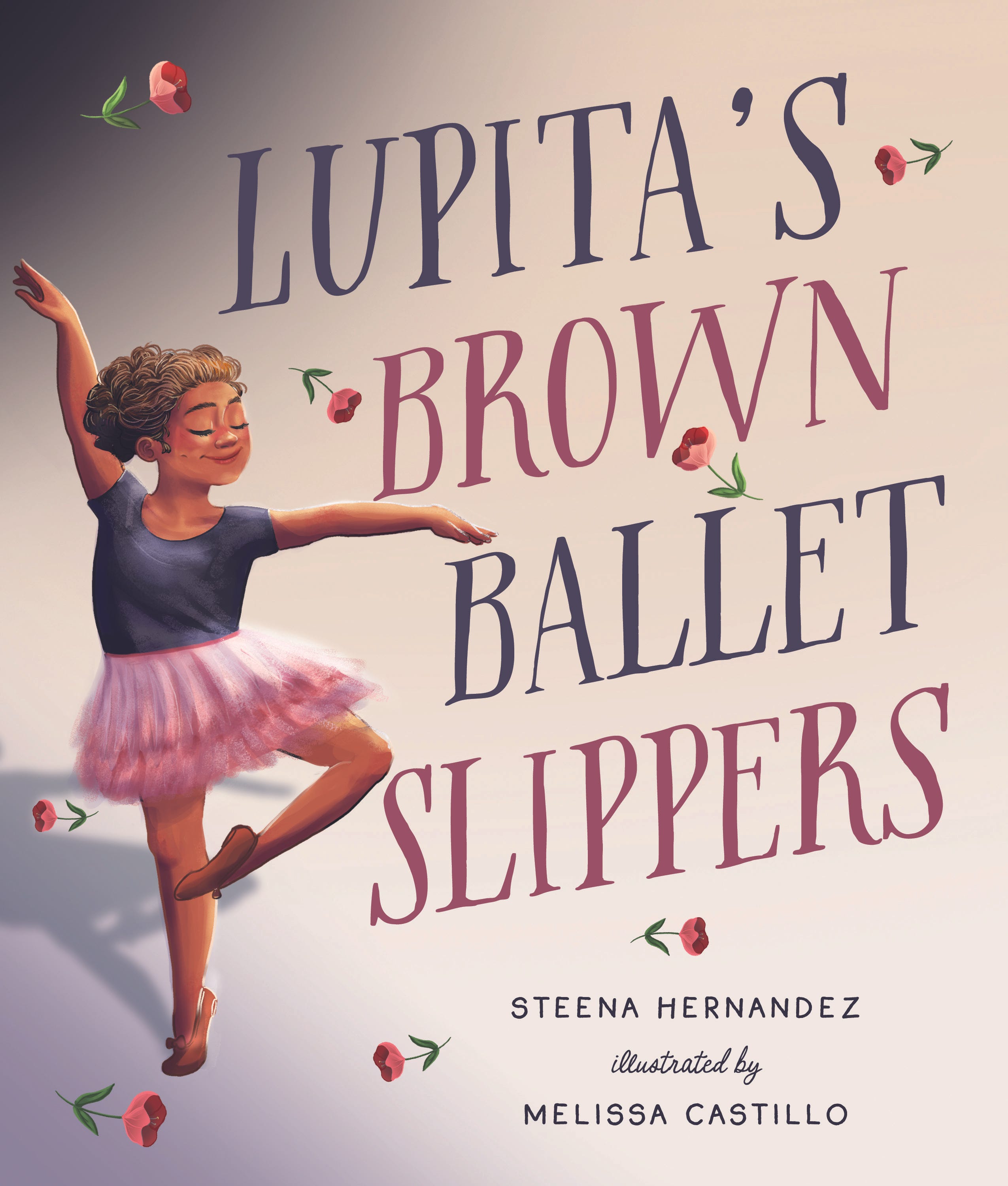
Steena’s debut picture book, Lupita’s Brown Ballet Slippers, is about a young Latina girl whose peachy pink slippers don’t match her skin before her recital. It’s a story rooted in her own childhood dancing in Texas.
Steena is a member of the Las Musas Latinx collective, a Northern Lights Book Award winner, and a homeschooling mom. She writes about the long, unglamorous work of not giving up on her Substack, Pencil & Persistence.
This is a conversation about what it takes to believe your story is worth telling and what happens when you finally do.
Origins and Inspiration
Before you were a published author, you were a performer who toured with the Trans-Siberian Orchestra and RENT. What were you writing about back then and when did you first realize those pages might become something bigger?
As you mentioned above, I was journaling while on tour as a vocalist with the Trans-Siberian Orchestra. At the time, I’m not sure I realized I was a writer—but I was already writing, capturing the emotions and experiences of life on the road.
It wasn’t until I became a mother that I discovered picture books at my local library. I checked out stack after stack to read to my children. Somewhere in the mix of reading, acting out the stories for them, and not-so-secretly falling in love with reading alongside them, I realized I wanted to try writing a story of my own.
I quickly started researching and eventually found SCBWI (Society of Children’s Book Writers and Illustrators), where I joined my first critique group. From there, I was off and running—determined to learn how to craft a picture book and, eventually, how to become published.
Who were the books or authors that made you feel seen as a kid and how does that absence or presence show up in the stories you feel called to write now?
I was a bit of a late-bloomer when it came to reading. I really didn’t discover books in a meaningful way until later in life. But the first book that truly made me feel seen—like the story was written just for me in some way—was The House on Mango Street. There was something about the voice and the honesty in those pages that stayed with me.
Because I came to books later, I think it shapes the kinds of stories I feel called to write now. I want kids to feel that spark earlier than I did—to open a book and feel like it understands them, or that their story matters too.
Craft and Writing Life
Your Substack is called Pencil & Persistence. What does persistence actually look like on the hardest days? And what do you wish someone had told you during the toughest stretch of querying?
Persistence, for me, doesn’t always look like writing thousands of words or sending out a batch of queries. On the hardest days, it’s much smaller than that. Sometimes it’s just jotting a few notes in my phone before bed, messaging a writing friend to ask how their revisions are going, or rereading a passage that once made me believe in the story again.
I’m still in the querying trenches, and it’s not easy. That’s actually one of the reasons I started Pencil & Persistence—to create a space that uplifts writers who are walking this same long road toward publication. Because persistence isn’t always loud or impressive. Often it’s quiet. It’s choosing not to quit today.
What I wish someone had told me during the toughest stretch of querying is that the waiting can feel really personal—but it isn’t a measure of your worth or your writing. This process is slow, subjective, and so much of it happens behind the scenes.
So on my hardest days, persistence simply means this: I’m still here. And tomorrow, I’ll pick up the pencil again. ✏️💛
You’ve been hosting virtual classroom visits for young readers. What happens on the other side of that screen when a child encounters Lupita for the first time?
Oh, I love school visits! They’ve been one of the highlights of my author journey. It’s such a joy to share Lupita’s story with young readers, and seeing their faces light up with curiosity is the best part. Even through a screen, we get to read the story together, talk about rejection and how to keep moving forward, and even dance to music.
Representation and Identity
As a Mexican American author writing for children, did you ever feel pressured to make it feel more universal?
I did wonder about that at times. But the truth is, the heart of the story—the feelings of dreaming big, facing rejection, and finding the courage to keep going—is what connects with readers. Lupita’s Mexican American identity is part of who she is, and I didn’t want to smooth that out to make it feel broader. In my experience, the more specific and true a story is, the more readers can see themselves in it.
Lupita’s story centers on having slippers that don’t match her skin. Where did that idea come from and what did it feel like to finally see it on the page?
The idea for Lupita’s mismatched slippers actually comes from my own life in dance. I started tap, jazz, and ballet at three, and performance was such a huge part of my world all the way through college, where I ended up majoring in music, theatre, and dance. I remember noticing, even as a little kid, how shoes, tights, and costumes were almost always one shade—never quite matching my own skin. It stayed with me.
Seeing that idea come to life on the page with Lupita was so meaningful. It felt like finally giving a small but important part of myself—and all the kids who might have felt the same way—a place to be seen and celebrated.
How does your performing background, teaching experience, culture, and motherhood find their way into how you write for kids?
Everything I’ve done—performing, teaching, my culture, being a mom—shows up in how I write for kids. Dance and theatre taught me about rhythm and movement, so I think about how a story flows and how words feel when you read them out loud. Teaching and motherhood give me a window into how kids see the world—the little joys, the worries, the things that make them laugh. And my Mexican-American culture is in the heart of my stories, in the details and traditions that shape how my characters live and see themselves.
Seeing your story interpreted by an illustrator for the first time is a moment most authors never forget. What was it like to see Melissa Castillo bring Lupita to life, and did it match what you had imagined?
Seeing Melissa Castillo bring Lupita to life was everything I hoped for and more. She got her spirit exactly right, and then added details I hadn’t even imagined. That moment—seeing a character I’d carried in my head for so long fully realized on the page—was unforgettable.
Looking Forward
You are involved in many communities like Las Musas and SCBWI. What has belonging to those spaces meant to you, especially during times when the writing felt hard?
Community has been everything for me. Leaning on writing friends, whether through Las Musas or other spaces, keeps me going on the days when writing feels hard. Just hearing their encouragement, their kind words about my work, or knowing they’re struggling too, reminds me that I’m not doing this alone. Those connections make the ups and downs of writing feel manageable and even joyful, and they’re a huge part of why I keep showing up to the page.
What’s the story you’re most afraid to write and are you writing it anyway?
The story I wrote—my middle grade novel—was one I was scared to write, but I went for it anyway. It’s loosely based on my upbringing and a difficult part of my childhood. I didn’t realize at the time how much that experience had shaped me, and writing about it has been both hard and healing.
What are you working on next?
Right now, I’m revising several picture books and even revisiting old manuscripts that had been tucked away in a drawer for years. It feels really good to breathe new life into those stories and see where they might go next.
Closing Reflections
Who are the authors in your circle who deserve a little more of the spotlight?
Honestly, I have so many writing friends who deserve more spotlight—it’s impossible to choose! In my head, all of my critique partners are already winning awards and charming readers everywhere. Their talent, hard work, and support inspire me every day, and I feel lucky just to get to cheer them on.
And last question. If standing out isn’t about shouting louder, what does it look like for you?
You don’t stand out by shouting—you stand out by showing up, staying true, and letting your story shine.
Steena’s work reminds us that showing up quietly is still showing up. She didn’t find books early. She didn’t have a clear path. She had a journal on a tour bus, a stack of picture books from the library, and two kids watching her fall in love with stories all over again.
That’s where Lupita came from. A feeling she’d carried since she was three years old, noticing that her shoes never quite matched her skin.
This is exactly why I started Standout Authors Unbound. To make room for writers like Steena. Writers who are still in the querying trenches, still revising old manuscripts pulled from drawers, still choosing not to quit.
If you’re a writer with a story to tell, or know someone who is, I’d love to hear from you. Share this piece, leave a comment, or reach out directly. The next story we celebrate could be yours.
Thanks for sharing, @Joyce P. Uglow! :)
Yay! Thank you so much, Kevin, for having me and for this lovely post! 💛🎉